Tip Toe, the hotly anticipated new five-part drama from multi-talented Russell T Davies, is now out in the wild – with the first two episodes available to stream via Channel 4.
Among all the drama of two warring neighbours, it is brilliant to see normalised portrayals of living with HIV. Alan Cumming’s character Leo taking two pills to stay well, then later casually mentioning he’s HIV positive.
Russell’s last Channel 4 hit, It’s A Sin, had a massive impact. It led to record-breaking HIV testing rates and much-needed cash donated to ensure people living with and affected by HIV can thrive.
But, rather than depicting AIDS in the 80s, now Russell is showing how much progress has been made in the fight against HIV. If you watched Tip Toe and are wondering about the realities of living with HIV today, here are six facts about HIV that everyone should know.
The facts about HIV
1. Modern treatment is highly effective
Leo is seen taking his HIV treatment in Tip Toe’s first episode. Since the late 1990s, anti-retroviral treatments have revolutionised the outlook for people living with HIV – transforming it from a terminal diagnosis to a long-term, manageable condition.
Today, for most people living with HIV, like Leo, it’s the case of taking one or two pills a day from as soon as they're diagnosed. Treatment protects the immune system from damage and suppresses the virus in the blood – and must be taken consistently.
2. People on HIV treatment can’t pass it on
After a few months of treatment, the level of HIV in the blood is so low it's called 'undetectable'. Someone living with HIV who is on treatment and has an undetectable viral load can't pass it on to sexual partners.
This is one of the most positive messages someone living with HIV can hear. It reduces the stigma around HIV and provides motivation to stay on treatment to keep both themselves and their sexual partners healthy – and it means we can stop new HIV transmissions altogether.
3. HIV and AIDS aren’t the same
HIV and AIDS shouldn’t be used interchangeably.
HIV stands for Human Immunodeficiency Virus. AIDS (Acquired Immune Deficiency Syndrome) is a collection of illnesses caused when HIV weakens the immune system.
That means you don’t test for AIDS, and people don’t ‘have’ AIDS. Today, we talk about people living with HIV and rarely need to talk about AIDS in the UK. Instead, doctors talk about late-stage or advanced HIV. But HIV can still cause serious illness if left untreated.
Find out more about HIV and AIDS.
4. Testing for HIV is quick, easy and free
In It’s A Sin, you had to wait weeks for an HIV test result. Today, you can test quickly and easily, including in the comfort of your own home, with a result in just a few minutes.
There is also opt-out HIV testing in A&Es in England, where HIV and hepatitis are tested for alongside any other necessary tests relating to the person’s condition. This has led to hundreds of people knowing their HIV status who wouldn’t have tested otherwise.
Find out more about HIV and AIDS
5. PrEP is a drug that protects against HIV
The latest big change in the HIV epidemic in the UK is the arrival of PrEP (pre-exposure prophylaxis).
PrEP is a drug taken by HIV-negative people before and after sex that reduces the risk of getting HIV. Taking PrEP before being exposed to HIV means there’s enough drug inside you to block HIV if it gets into your body.
PrEP is a game-changer when it comes to ending the HIV epidemic.
Following a long campaign by organisations including Terrence Higgins Trust, it's now available on the NHS. Although work continues to ensure all of those who could benefit are able to access PrEP in a range of settings.
6. Discrimination still exists
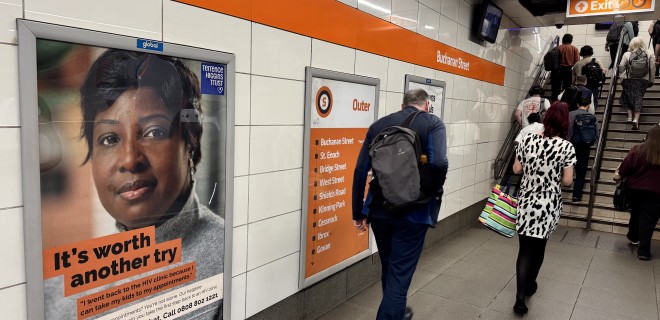
While the science has come on leaps and bounds, some public attitudes to HIV have remained stuck in the 1980s. We found that even now, over half of UK adults would feel uncomfortable kissing someone living with HIV, despite the virus never being passed on in that way.
Negative attitudes towards people living with HIV and stigma around the virus lead to discrimination. They're a big part of why people living with HIV report significantly higher mental health issues than the general population.
Stigma hurts people living with HIV, it stops people from talking openly about what the virus really means, and it puts people off getting tested and knowing their status.
7. We can end new HIV cases by 2030
We’re on a mission to end new HIV cases in the UK by 2030, and the government has committed to doing just that. We have all the tools necessary to make this life-changing goal a life-changing reality.
But it won’t happen by accident, and tackling the stigma still surrounding HIV is absolutely crucial, including through normalised portrayals of all the progress that’s been made in shows watched by millions – like Tip Toe.