I now take just one pill a week to manage my HIV as part of a groundbreaking phase three drug trial. Today, seven years on from my HIV diagnosis, I’m living my best life. The weekly drug I take is called islatravir with lenacapavir and consists of two drugs working together in a single pill. I’m writing this to let more people know about exciting developments in HIV treatment and care. The drug trial results were just recently released, and they form part of the evidence base behind what could become the first once-weekly oral HIV treatment.
But HIV wasn’t always such a small part of my life – literally or in terms of the burden in my head. When I was diagnosed at 37, I had a whole host of fears, challenges, worries and hurdles. It really did rock my world. Terrence Higgins Trust was a godsend and an absolute lifeline to me when I was first diagnosed.
It was the only way I found to speak to other HIV-positive people who made me feel safe, less anxious and had many of the facts that I needed to hear for peace of mind regarding my future.
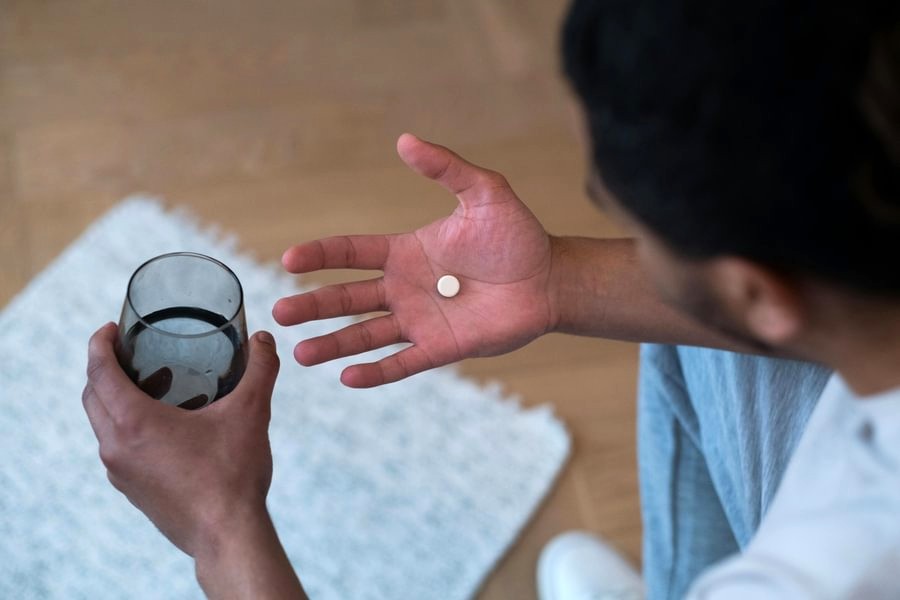
And so, to now take just a single pill every Sunday morning to manage my HIV and keep the virus undetectable in my blood, feels worlds away from those initial feelings.
I’ve been a participant in a drug trial at King’s College Hospital for over a year.
I had happily been on a once-a-day regimen since diagnosis. However, when my regular nurse and clinician at King’s College was asked to nominate only two patients to join an exciting and innovative new once-a-week drug trial, I was lucky enough to be asked.
The trial required patients who were consistently undetectable, ‘healthy’, adherent to medication, open-minded, no drug resistance, and reliable. I have never missed a pill or appointment in seven years (as far as I know) so I guess I fit the bill and I was invited to join the trial.
It took me a few weeks to consider though. I felt honoured to be asked but equally the words ‘drug trial’ has a huge element of anxiety attached. Was it safe? Would I remain undetectable? Would I suffer side effects? All selfish but genuine feelings. But how could I deny a very exclusive UK trial with a select number of volunteers nationwide.
The study is showing the once-a-week regimen to be extremely successful. An absolute game changer for the HIV community. I have found the difference hugely positive even though I had no problem taking a pill a day. I always counted myself lucky not to have been diagnosed back when you needed to take multiple pills and when there were often horrible side effects.
One pill a week almost makes HIV in my day-to-day life a vague memory. In the beginning of the trial, I had to use a weekly alarm to remember as it took a little while to adjust. I was always used to the feeling of waking up each day and having that two-minute feeling I was meant to be doing something important. Plus always being reminded of my HIV status. Starting each and every day with that nudge to remind me over and over again.
Now I am in a new, great routine and rhythm. I take my pill every Sunday when I wake up. For only 30 seconds of each and every week I think about my HIV status. HIV lives with me and on my terms. I certainly don’t live with HIV. Its presence respected but reduced to a small insignificant state. Smaller than ever! What was 365 pills a year is now a mere 52. That’s an incredible reduction in quantity and the repeated daily intake of pills.
Some of the benefits to a once-a-week regimen are:
- less daily medication fatigue
- fewer opportunities to forget a dose
- easier to travel with and store
- greater privacy/discretion when required as it is much easier to store away
- reduced feeling of having to think about HIV every day
- better long-term treatment satisfaction
- another strong message to the world that HIV can be treated highly effectively.
And crucially, it’s still a pill. I’ve taken part in a clinical trial testing a pill that could change HIV treatment from something many people take every day to something they can soon possibly take just once a week. I wanted to share my experience with the HIV community to show the continued innovation and developments that keep improving HIV treatment for all of us and in turn hopefully deliver an even better quality of life.
The study findings have also been published in The New England Journal of Medicine.