More than 50% of people living with HIV in the UK are now aged over 50. We have a range of support services which are open to older people living with HIV. This includes our support groups and workshops, such as our Banking Essentials series. We also run a specialist programme for older people, GO! Get Active. Check out what events are coming up.
As part of our work exploring what it means to grow older with HIV, Terrence Higgins Trust spoke with three people – Monica, Pawel, and Greg – about their experiences, challenges, and hopes for the future.
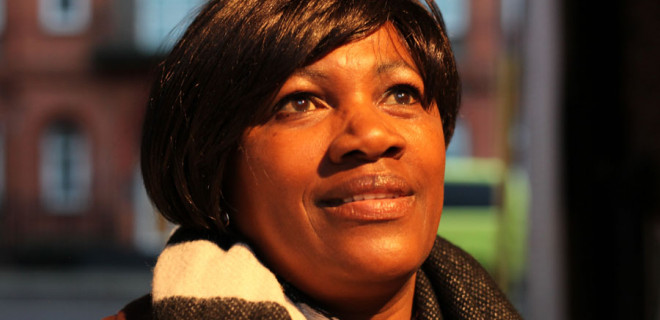
For Monica, a 47-year-old woman living in Scotland, ageing is something she feels in her body as well as her mind. 'My image is changing a lot,' she says. 'Even the way I do things is changing, and that has a profound impact on how confident I feel to be around people.' Once a passionate cook who loved showing love through food, Monica now finds that standing for long periods is harder. What worries her most isn’t loneliness – she values her time alone – but losing her safety net: the networks of friends, shared activities, and support groups that help her stay connected.
Monica’s honesty about her fears around ageing is balanced by a deep empathy for others. 'If you can’t maintain something that someone else doesn’t want to maintain, don’t be too upset,' she says. 'Try to understand that sometimes people need their own space too.'
Living with HIV has shaped how she sees herself and how others respond to her. Some people have reacted with discomfort or overcompensation, 'trying to be too kind' in ways that make her feel different.
But Monica also finds strength in education and advocacy. When working in a vaccine centre, a colleague refused to vaccinate a patient with HIV. Monica challenged the stigma directly and later helped the team learn more. 'If people are interested, I see it as something positive,' she says. 'Who better than us to raise awareness with knowledge?'
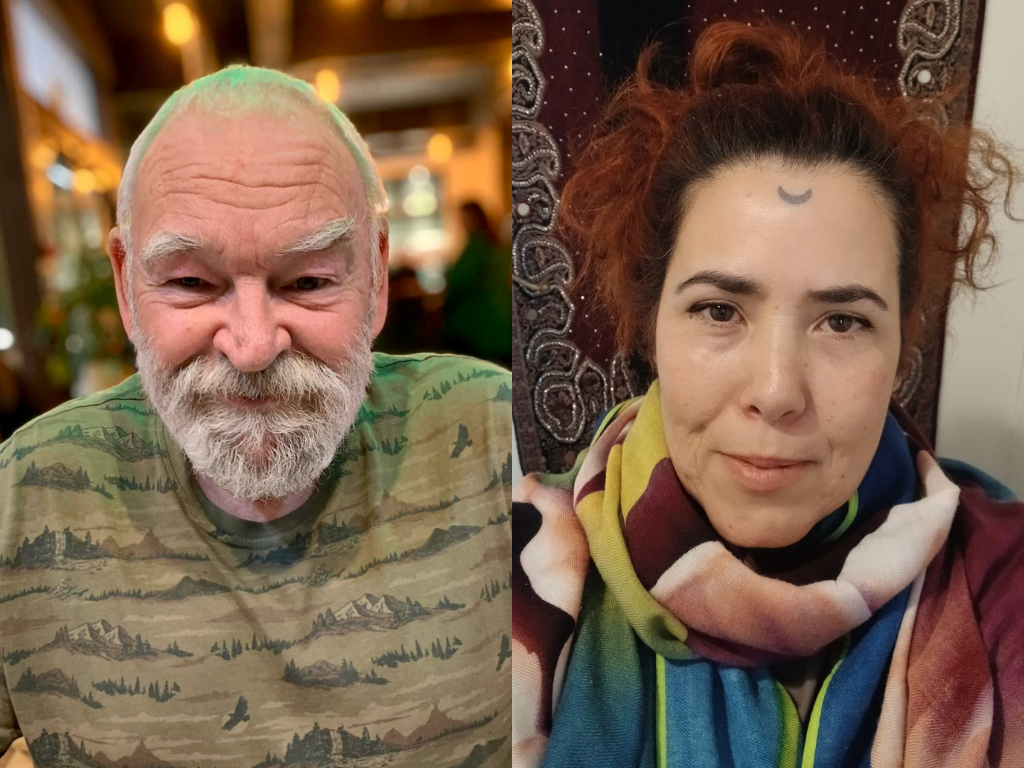
For Pawel, now in his late sixties and living in Cardiff, ageing with HIV has been entwined with loss. 'Between 2013 and 2023 I said goodbye to 20 people,' he recalls. 'I was living in the shadow of grief.' Yet in recent years, he’s found a way forward through community, therapy, and creative connection.
Diagnosed in his forties, Pawel’s health was impacted by treatment, which was slow to work: 'It was touch and go,' he remembers. 'The medication wasn’t working.' Recovery brought lasting health effects – neuropathy, fatigue, and pain – as well as great concern over HIV stigma.
Now, Pawel focuses on maintaining his independence and quiet joys: designing his garden so it’s accessible, joining heart-circle groups, and building community through groups, online and in-person. His advice to others ageing with HIV is clear: 'Don’t let people make assumptions about your condition or who you are. You’re the one living with it. And look after yourself first – you can’t help anyone else if you don’t.'
Greg, from Perthshire, turned 70 this year, something he never expected when he was diagnosed in 1994. 'If someone had told me I’d reach my 70th birthday, I wouldn’t have believed them,' he says. Due to his medication – 'just a couple of pills a day' – HIV has not impacted his physical health, but there was a long emotional impact after he was diagnosed. 'The stigma took me a long time to come to terms with.'
Greg lost his partner of 30 years suddenly in November 2024, a loss that reshaped his daily life. 'Every day, especially since my partner died, I have to make an effort not to get into a rut,' he says. 'Doing things, getting out in the garden, talking to people – that helps.' He’s found support through Terrence Higgins Trust and has also continued to support others as a volunteer on My Community, our online space for people living with HIV.
Despite grief and the inevitable aches of ageing, Greg has found contentment and self-acceptance. 'The older you get, the quicker it goes. So enjoy life, live life. Don’t let it stop you.'
If you’re living with HIV and want support, Terrence Higgins Trust is here for you. Our team offers support groups, counselling and practical advice for every stage of life.
Check out all the support available for people living with HIV and our calendar of upcoming events. You can also contact [email protected].